
“Unlike most European countries, which go totally flat for months in their summer season, South Africa has plenty of swell during summer.”
— Steve ‘Spike’ Pike
Overview
Kite Beach is a world-class kitesurfing spot located in the Bloubergstrand and Table View area along the shores of Table Bay, approximately a 20-to-30-minute drive north of central Cape Town, Western Cape, South Africa. Boasting an iconic view of the UNESCO World Heritage site Table Mountain across the ocean, it is globally renowned as the ultimate mecca of Big Air kitesurfing, attracting professional riders and dedicated kiteboarders from every corner of the globe.
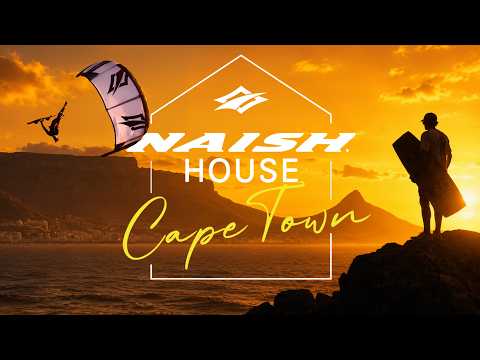
Red Bull King of the Air, the world’s premier Big Air competition, was initially held further north at Big Bay when the event returned to Cape Town in 2013. However, in pursuit of stronger winds and steeper wave ramps (kickers) suited for massive jumps, the main venue was relocated to Kite Beach starting with the 2018 edition. Furthermore, because a KFC restaurant sits directly across Marine Drive from the main peak, the spot is affectionately referred to as “KFC Beach” by locals and regular visitors.
Wind Season and Conditions
The prime wind season runs through the Southern Hemisphere summer from November to March, peaking between December and February. Because this coincides with the Northern Hemisphere winter, top riders from Europe, North America, and beyond relocate here for extended winter training camps. Throughout the season, the spot is powered by the famous southeasterly trade wind known as the “Cape Doctor.” Named for its ability to sweep air pollution and heat away from the city, this local wind is generated by the pressure gradient between the South Atlantic High and thermal low pressure over the interior, blowing cross-shore to side-onshore from the left at Kite Beach.
While mornings are often mild, the wind rapidly intensifies as daytime temperatures rise, regularly reaching 25 to 35 knots—and exceeding 40 knots on nuclear days—from the afternoon into the evening. The wind typically follows a cycle of blowing consecutively for two to five days followed by one or two days of rest, making 5m to 9m kites (especially around 7m) the primary quiver for afternoon sessions. Conversely, during the Southern Hemisphere winter from May to August, the weather patterns reverse, bringing northwestern storm fronts and massive swells that cater to advanced storm riders and wave specialists.
Riding Environment and Surrounding Areas
The primary reason Kite Beach stands at the pinnacle of Big Air kitesurfing is the combination of ferocious cross-shore winds and consistent groundswell arriving from the South Atlantic. Riders can build high speed riding parallel to the shoreline and use the cleanly pitching wave faces as natural launch ramps (kickers) to boost jumps exceeding 20 meters and execute radical megaloops. Due to the cold Benguela Current flowing north along the Atlantic coast, water temperatures remain frigid even in midsummer—hovering around 13 to 16°C (55 to 61°F)—making a 4/3mm or 5/3mm full wetsuit essential.
The long Blouberg coastline also features a succession of distinct spots stretching from south (upwind) to north (downwind). Sunset Beach, located furthest upwind, tends to be slightly cross-offshore and gusty, but produces heavy, massive kickers favored by pros and advanced riders. Just downwind lies Dolphin Beach, a popular stretch where the water between the waves remains relatively flatter, leading directly into Kite Beach. Several kilometers further north (downwind) sits the former competition venue of Big Bay, where the wind is often 5 to 10 knots lighter than at Kite Beach, making it ideal for wave riding and freeriding. Because afternoon conditions at Kite Beach involve nuke winds, heavy shorebreak, and intense crowding, it is unsuitable for beginners; novices and those seeking flat-water progression are advised to head to Langebaan Lagoon, about a 90-minute drive north of Cape Town.
Local and Seasonal Riders
Another element that makes the waters of Kite Beach truly special is the sheer depth of talent riding here on a daily basis. Representing the local South African contingent, homegrown pros such as Joshua Emanuel, known for his massive hangtime, and Oswald Smith, who has known these waters since childhood, lead the charge.
Furthermore, during the peak season from November to February, the world’s top pros flock to the Blouberg area as seasonal migrants (often called “Swallows”). Leading Big Air riders—including Kevin Langeree, Andrea Principi, Lorenzo Casati, Cohan van Dijk, and Francesca Maini—train here almost daily, making it a rare spot where everyday kiteboarders can witness world-class double loops and board-offs right in front of their eyes while sharing the same water.
Access and Local Rules
Renting a car is the most common way to get around from Cape Town International Airport or the city center, with free parking spaces lining the beachfront. For public transit users, the MyCiTi Bus Rapid Transit (BRT) system provides direct routes from central Cape Town to the Table View and Blouberg beachfront.
During peak season afternoons, hundreds of kites—ranging from world-champion pros to everyday enthusiasts—pack the water and beach, making strict safety practices and local etiquette vital. Riders must execute quick, compact launches and landings in high winds and strictly obey right-of-way rules (starboard tack priority and yielding to riders on a wave). In particular, because many riders use the kickers to throw massive airs and kite loops, maintaining spatial awareness and keeping the downwind landing zone clear of jumping riders is crucial. Regarding security, car break-ins can occur in beachfront parking lots (particularly around Sunset Beach), so never leaving gear or valuables visible inside a vehicle is a strict rule of thumb.
Nearby Facilities and End-of-Season Second-Hand Kite Market
Marine Drive, which runs directly along Kite Beach, features a highly developed infrastructure tailored to kitesurfers. Specialty shops, schools, and rental/repair centers—such as High Five Kitesurf School, Cabrinha Kitesurfing, Open Ocean Africa, Watersports Warehouse, and Suntrax—line the strip, ensuring immediate support for any equipment issues during a trip. The road is also packed with ocean-view cafes and restaurants like Doodles Beachfront and Carlucci’s, alongside kiteboarder-focused accommodations such as the beachfront Dolphin Beach Hotel and Mystic House.
A unique phenomenon in Cape Town is the booming second-hand kite market that emerges toward the end of the summer season around February and March. Seasonal riders and long-term travelers from Europe and beyond often sell off the gear they rode all summer before flying home, either to avoid airline excess baggage fees or to upgrade to next season’s models. In addition, pro riders and brand test teams release large volumes of current-model kites (especially 7m to 9m Big Air models suited for strong winds) through local shops and online community groups, making the end of the season widely known as a prime time to score high-quality pre-owned gear.
Search Aliases: Africa, South Africa, SouthAfrica, Cape Town, Western Cape (Table View / Bloubergstrand), CapeTown, WesternCape(TableViewBloubergstrand), Kite Beach, KiteBeach(CapeTown)